
How to Spot Authentic Autographed Cards: Tips for Collectors


Understanding the Importance of Authenticity
For collectors, the allure of autographed cards lies in their rarity and personal connection to the athletes or celebrities. However, the market is rife with forgeries, making it crucial to know how to spot authentic autographs. Verifying authenticity ensures that your investment retains its value over time.
Authentic autographs can significantly increase the worth of a card, while a fake one can render it virtually worthless. Therefore, learning to differentiate between real and counterfeit signatures is essential for any serious collector.

Recognizing Common Signs of Forgery
There are several telltale signs that an autograph might be a forgery. One of the most common indicators is inconsistency in the signature. Genuine signatures often have unique, personal flourishes, while forgeries may appear mechanical or overly precise.
Another red flag is the use of inconsistent ink. Genuine autographs tend to use consistent, fluid strokes, while forgeries might show variations in ink color or pressure. Always examine the autograph closely for these discrepancies.
Using Professional Authentication Services
Many collectors opt to use professional authentication services to verify the legitimacy of an autograph. These services have experts who can analyze the signature in detail, comparing it against known authentic examples.
Companies providing these services often issue certificates of authenticity, which can be invaluable when reselling or trading cards. It's a worthwhile investment if you are dealing with high-value or rare items.
Examining the Card's Provenance
The history of the card, or its provenance, can provide clues about its authenticity. Cards that come with a clear, documented history of ownership are often more reliable. Provenance can include things like purchase receipts or documentation from reputable dealers.
Additionally, cards obtained directly from official events or signings are more likely to be authentic. Always seek to gather as much information as possible about the card's origin.
Inspecting the Card's Condition
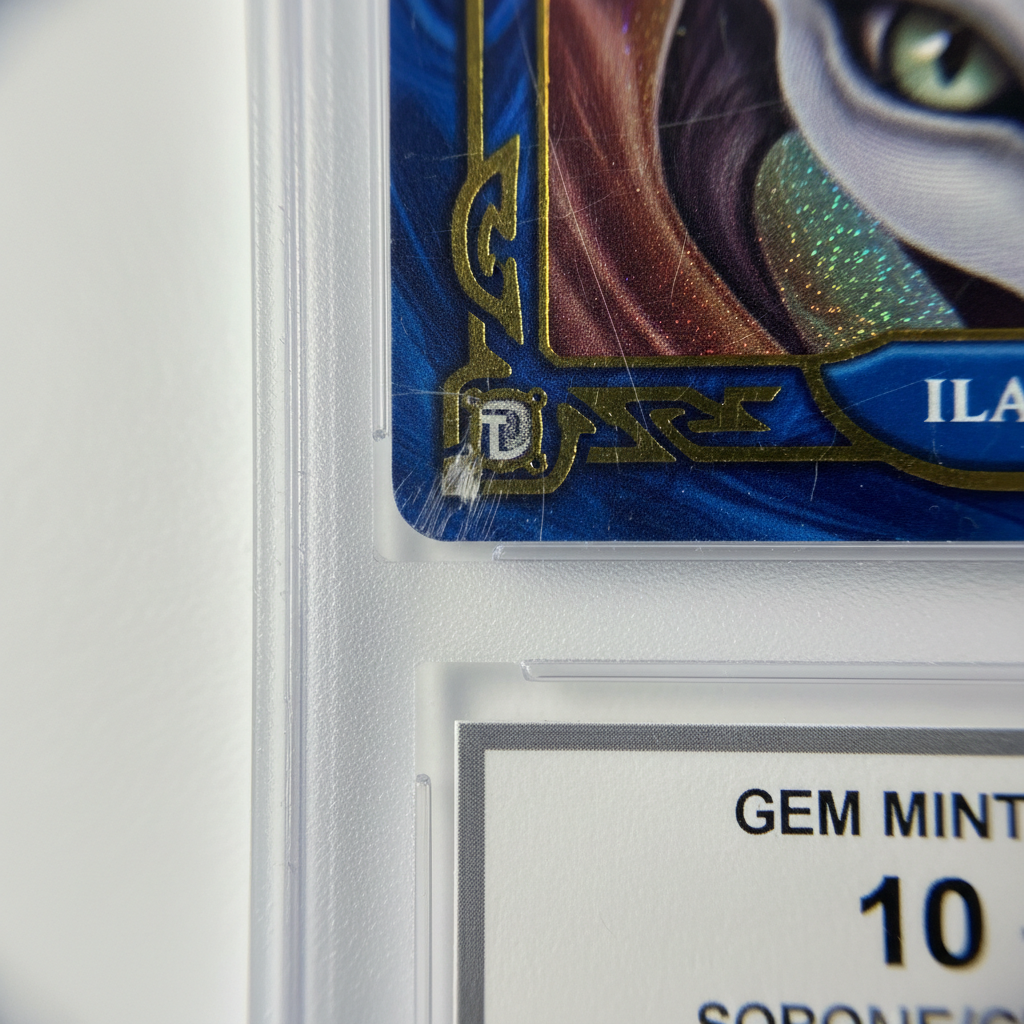
The condition of the card can also offer insights into its authenticity. A card in pristine condition with a perfect signature might be suspect if it’s supposedly decades old. Conversely, genuine autographs often show signs of handling over time.
Building a Network in the Collecting Community
Engaging with other collectors and experts can be incredibly beneficial. Online forums, social media groups, and local collector clubs can provide valuable insights and advice on identifying authentic autographs.
By building a network, you not only learn from others’ experiences but also gain access to trusted sources for buying and trading cards. This community can be an invaluable resource for both novice and experienced collectors.
Staying Informed About Market Trends
The world of autographed cards is ever-evolving, with trends that can impact the value and authenticity of items. Staying informed about market trends can help you make educated decisions when acquiring new cards.
Follow industry news, attend trade shows, and subscribe to collector magazines to keep your knowledge up-to-date. This proactive approach can help you spot authentic cards and avoid potential scams.