
Understanding the Value of Graded Cards: A Beginner's Guide


Introduction to Graded Cards
For collectors and enthusiasts in the world of trading cards, understanding the value of graded cards is crucial. Grading provides a standardized evaluation of a card's condition, which can significantly influence its market value. Whether you're a seasoned collector or a beginner, knowing how grading works can help you make informed decisions.
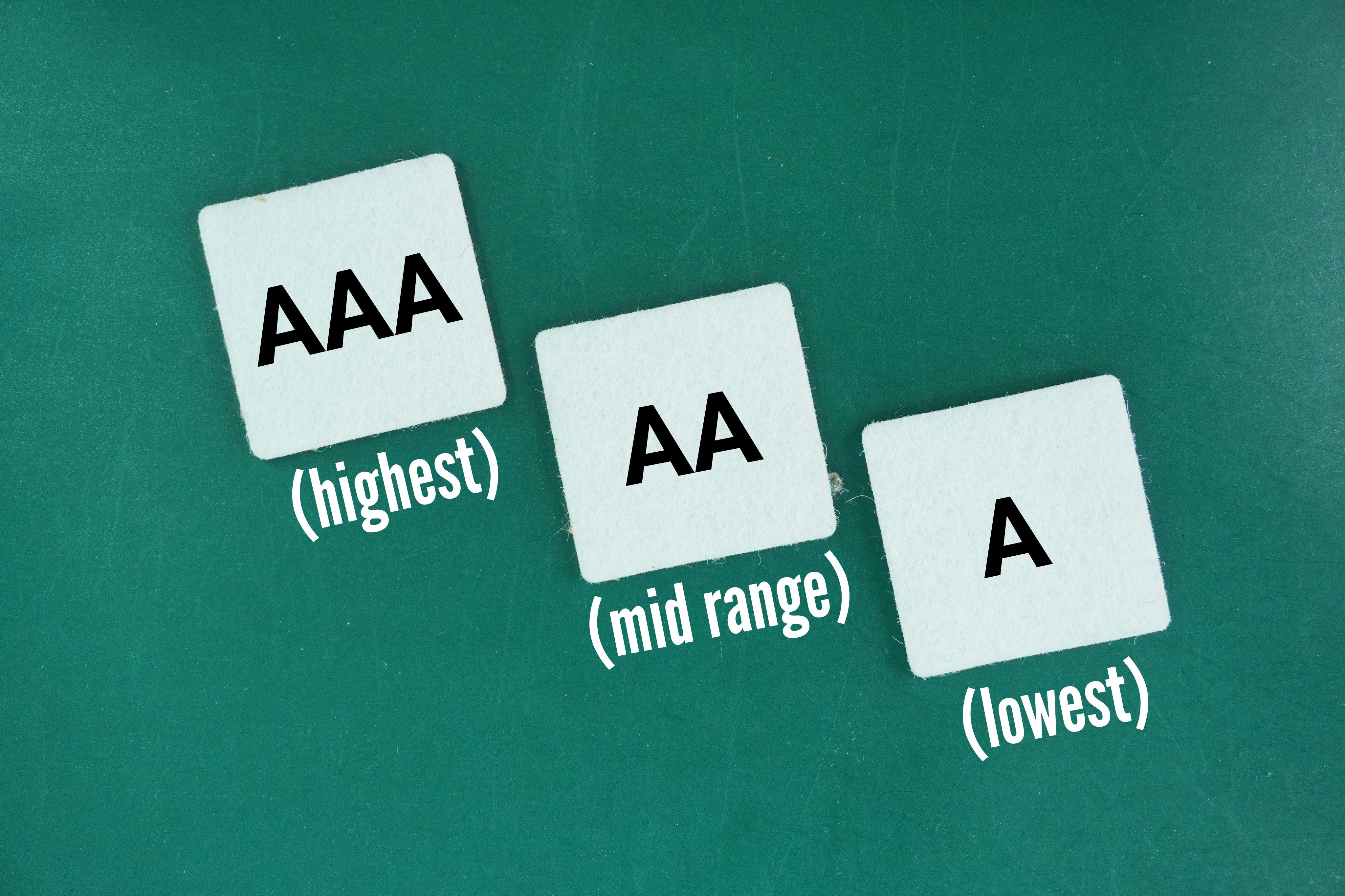
Grading services assess a card's condition based on several factors and assign a grade that represents its quality. This process ensures transparency and consistency, which is essential for maintaining trust in the trading card market.

Why Grading Matters
Graded cards typically fetch higher prices than their ungraded counterparts. This is because the grade provides buyers with a reliable indication of the card's condition, reducing the risks associated with purchasing. Collectors and investors often prefer graded cards as they offer assurance of authenticity and quality.
Moreover, grading can help preserve the card's condition over time. Once graded, cards are encased in a protective holder, safeguarding them from external elements that could cause wear and tear.
Factors Influencing Card Grades
The grade of a card is determined by multiple factors, including:
- Centering: The alignment of the card's image and borders.
- Edges: The condition of the card's edges, looking for nicks or wear.
- Corners: Sharpness and integrity of the card's corners.
- Surface: The overall condition of the card's surface, checking for scratches or stains.
Choosing a Grading Service
Several grading companies offer their services to collectors. The most popular ones include PSA, Beckett, and SGC. Each has its own grading scale and reputation, so it's important to choose a service that aligns with your needs and the market's expectations.
Researching different companies and understanding their grading criteria can help you decide which service to use. It's also beneficial to consider the turnaround time and cost associated with each provider.
Submitting Cards for Grading
Submitting your cards for grading involves a few key steps:
- Prepare Your Cards: Ensure they're clean and in the best possible condition.
- Choose a Grading Service: Select the company you trust for grading.
- Submit Your Cards: Follow the service's submission guidelines carefully.
- Wait for Results: Be patient as the grading process can take time.

Conclusion: Investing in Graded Cards
Understanding the value of graded cards can greatly enhance your experience in collecting and investing. These cards not only hold a higher market value but also offer peace of mind through verified quality and authenticity. By learning the intricacies of grading, you can make better decisions and potentially increase the value of your collection.
Whether you're collecting for personal enjoyment or investment purposes, graded cards represent a significant aspect of the trading card world. Embrace the process, and you may find that grading adds a new dimension to your collecting journey.